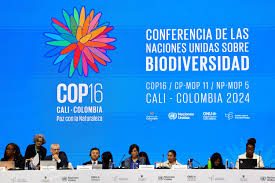
At the COP16 biodiversity summit in Cali, Colombia, wealthy nations showed limited willingness to fund global conservation efforts, despite prior pledges. The goal of mobilizing $200 billion annually by 2030, including $30 billion from rich nations, remained unresolved, with no consensus reached.
The funds were meant to support nature-enhancing activities like sustainable farming and wildlife reserve protection.
By the end of the summit, talks were suspended due to a lack of quorum as many delegations left.
Developed nations had cut back on their foreign aid for nature conservation. The example is shown that the U.S. has not contributed to the biodiversity fund while Europe has reduced its contributions, with government development money for nature dropping from $4.6 billion in 2015 to $3.8 billion in 2022.
During COP16, nations pledged to fund the biodiversity, which is $163 million, significantly under the target.
Recognizing the lack of public funding, COP16 delegates turned their focus to private capital. They agreed on a plan to charge pharmaceutical companies for the use of genetic resources, potentially generating around $1 billion annually.
However, experts agree this sum is far from sufficient to address the billions required to save critical ecosystems like the Amazon or coral reefs.